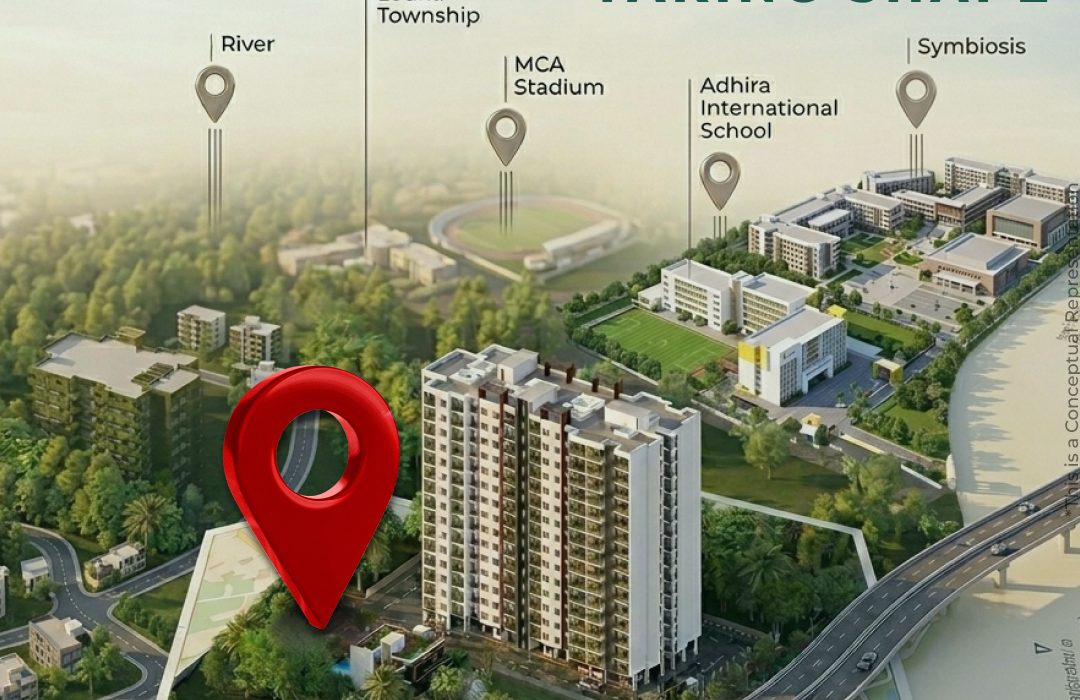
Infrastructure development near Ravet Annex Pune

Plan Your Commute to Hinjewadi Before You Buy a Flat

For many buyers looking at Ravet NX, Punawale, Tathawade or Wakad, the deciding factor is the daily drive to Hinjewadi. Distance on a map says little about time at 9 am. A little homework before booking can save hundreds of hours a year.

1. Test the route at real times

  • Drive (or ride) the route on a weekday at the time you would actually leave – both directions.
  • Use a maps app’s “depart at” or “arrive by” setting for the same day and time across several weeks.
  • Note the slowest stretch: junctions, bridges and entry points into the IT park are usually the bottlenecks.

2. Know which Hinjewadi phase you go to

Hinjewadi is spread over several phases. A home that is quick for Phase 1 can be slow for Phase 3. Check the exact office location, and your partner’s office if two of you commute.

3. Compare alternatives, not just one road

  • Main-road routes via the Mumbai-Bengaluru highway and Wakad.
  • Office cab or shuttle pick-up points near the home.
  • Public transport options, and how they may change as metro and road projects progress – see the Ravet Annex infrastructure update.

4. Put a value on time

One-way timePer working dayPer year (approx. 230 days)
20 minutes40 minutesabout 150 hours
35 minutes70 minutesabout 270 hours
50 minutes100 minutesabout 380 hours

Weigh the time against the price difference between areas. A lower price further away can still be the right choice if you work from home part of the week.

5. Think beyond the commute

  • Schools and their bus routes.
  • Hospitals and pharmacies within a short drive.
  • Groceries and daily needs nearby.
  • Weekend travel – access to the Expressway matters if you travel to Mumbai often.

Where to read more

Compare areas in best residential areas near Hinjewadi and flats near Hinjewadi for IT professionals, and read where Ravet NX is.

Looking at homes in Ravet NX? Onkar Greens by Auti Group offers 1, 2 & 3 BHK homes in Ravet NX (Ravet Annex), near Hinjewadi, Pune. Read the Onkar Greens FAQs or book a site visit from the home page.
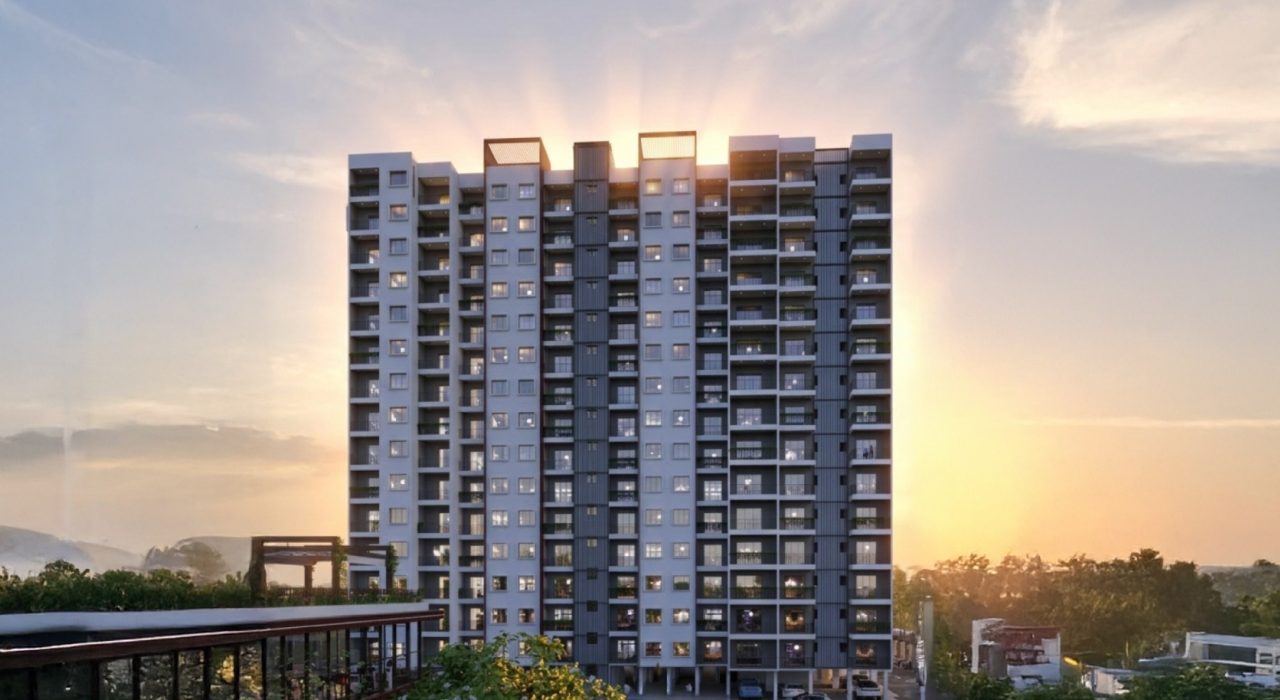
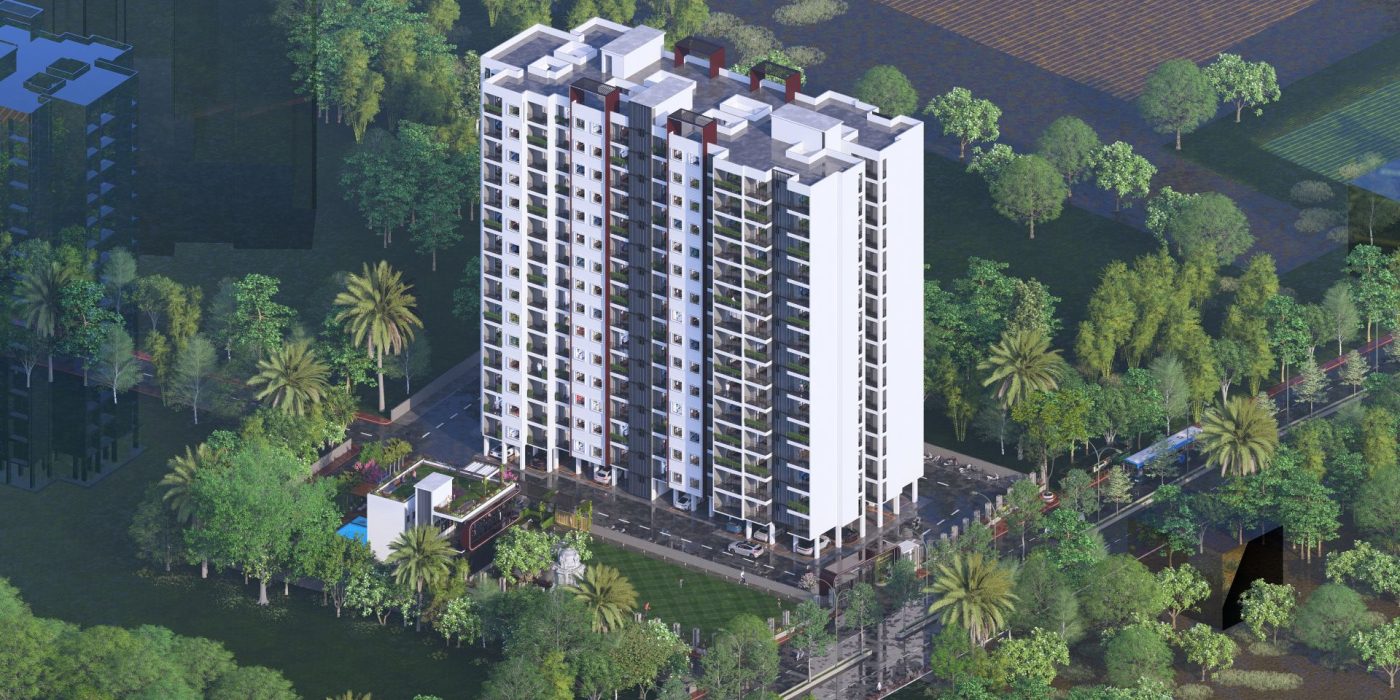
Residential tower of flats in Ravet Annex Pune surrounded by greenery – Onkar Greens project

Where Is Ravet NX (Ravet Annex)? A Simple Location Guide

“Ravet NX” and “Ravet Annex” appear on many new housing projects in West Pune, and buyers often ask where exactly the area is and how it differs from Ravet itself. This short guide explains the names, the location and how to check the exact address of any project.

Ravet NX and Ravet Annex are the same idea

Both names describe the extension of Ravet in the Pimpri-Chinchwad (PCMC) region of Pune – the newer residential pocket beyond the established Ravet neighbourhood. “Ravet NX” is a short form of “Ravet Annex”; you will see both in project names, brochures and searches.

Where it sits

  • On the western side of PCMC, close to the Mumbai-Pune Expressway.
  • Within reach of Hinjewadi IT Park and Wakad, which is why many buyers working in Hinjewadi look here.
  • Nearest railway options include Dehu Road, Akurdi and Chinchwad stations.

How it differs from Ravet

AspectRavetRavet NX / Ravet Annex
StageEstablished, more completed buildingsNewer, many projects under construction
HousingMix of completed and new projectsMostly new gated projects
InfrastructureBuilt up over yearsDeveloping – see our infrastructure update

Check the exact address of any project

Marketing names cover a wide area, so always check the legal address. The MahaRERA registration lists the village, survey number and taluka of the land – see how to check MahaRERA registration. Match these with the agreement for sale, and open the pin location in a maps app before your visit.

Where is Onkar Greens?

Onkar Greens by Auti Group is at Survey No 302, Ravet NX, behind Lodha Belmondo, Pune, Maharashtra 412101. Use the location on the Onkar Greens home page to plan your visit.

Before you decide on the area

  • Drive your daily route at peak time – see planning your commute to Hinjewadi.
  • Visit on a weekday and on a weekend to see the neighbourhood at different times.
  • Check schools, hospitals and daily-needs shops within your comfort distance.
  • Read about prices in our Ravet Annex price trends guide.

FAQs

Is Ravet NX in PCMC?

Ravet NX is described as the extension of Ravet in the PCMC region; check each project’s MahaRERA record for its exact village and planning authority.

Is Ravet NX the same as Ravet Annex?

Yes – the two names are used for the same area.

Looking at homes in Ravet NX? Onkar Greens by Auti Group offers 1, 2 & 3 BHK homes in Ravet NX (Ravet Annex), near Hinjewadi, Pune. Read the Onkar Greens FAQs or book a site visit from the home page.

Onkar Greens Ravet Annex tower amid greenery

Questions to Ask a Builder Before You Book a Flat

The best time to ask hard questions is before you pay a booking amount. A good developer answers them in writing. Use this list when you meet the sales team of any project, and compare the answers across projects.

About the project

  • What is the MahaRERA registration number for this phase or building? (How to check it.)
  • Which approvals are in place – commencement certificate, environmental clearance where applicable?
  • How many buildings, floors and units are planned, and in how many phases?
  • What is the possession date written in the agreement?

About the flat

  • What is the RERA carpet area of this exact unit, and the balcony area? (Why carpet area matters.)
  • Which direction does it face, and what is in front of it now and planned later?
  • Which specifications are standard – flooring, windows, kitchen, bathroom fittings?

About the money

  • What is the total cost, broken into agreement value, GST, stamp duty, registration, parking, legal and other charges?
  • What is the payment schedule, and what triggers each instalment?
  • What are the maintenance charges and deposits at possession?
  • What is the cancellation policy and refund timeline?
  • Which banks have approved the project for home loans?

About the developer

  • Which projects has the developer completed, and when was possession given?
  • Can I visit a completed project and speak to residents?
  • Who maintains the property until the society is formed?

About amenities and common areas

  • When will the clubhouse and other amenities be ready – at possession or later?
  • Are any amenities shared with other phases or projects?

How to use the answers

Ask for the key answers by email or in the cost sheet, then check them against the MahaRERA record and the draft agreement. If an answer changes between the brochure, the conversation and the agreement, ask why before you sign. Our document checklist lists what to request at each stage.

Looking at homes in Ravet NX? Onkar Greens by Auti Group offers 1, 2 & 3 BHK homes in Ravet NX (Ravet Annex), near Hinjewadi, Pune. Read the Onkar Greens FAQs or book a site visit from the home page.
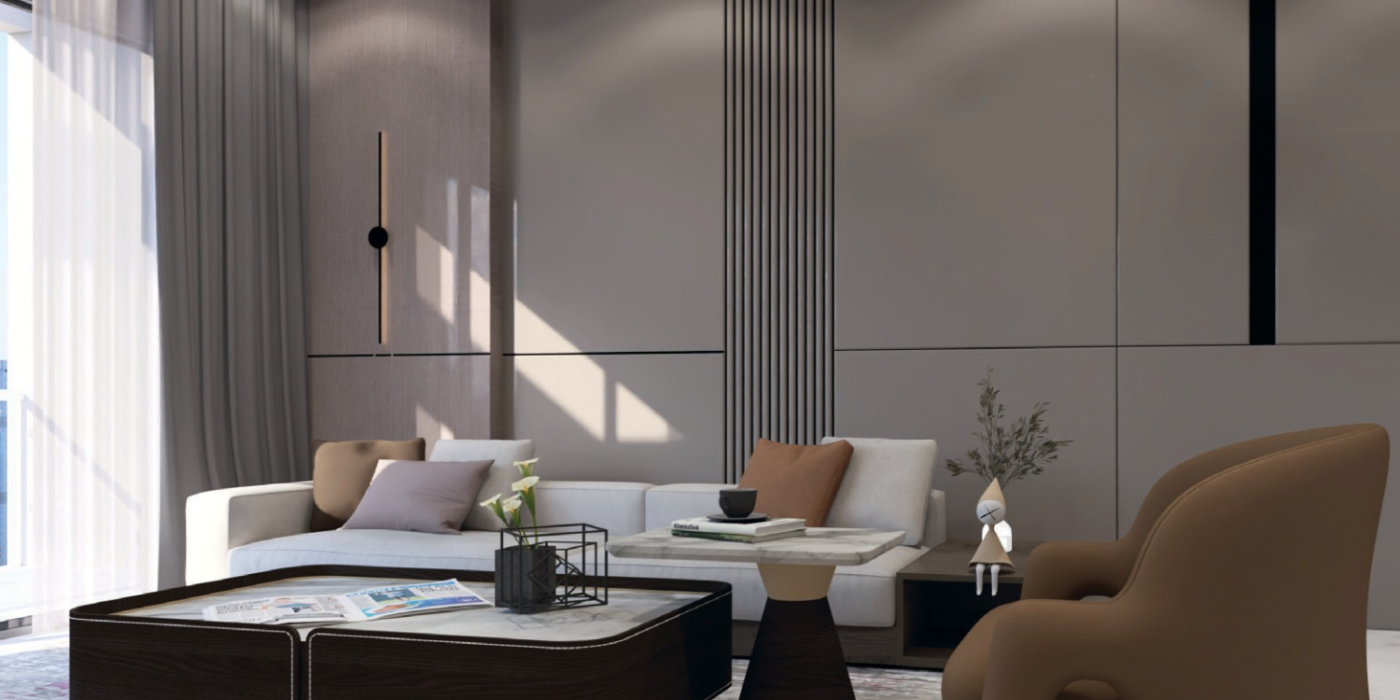
Rooftop yoga lawn at Onkar Greens Ravet Annex

Site Visit Checklist: What to Check at an Under-Construction Project

A site visit is where brochures meet reality. An hour spent walking the site, the approach road and the neighbourhood tells you more than any render. Use this checklist on your visit to any under-construction project in Pune – and take photos and notes so you can compare projects later.

Before you go

  • Note the project’s MahaRERA number and check it online – see how to check MahaRERA registration.
  • Ask for the cost sheet and floor plans of the units you like, with RERA carpet areas.
  • Plan the visit at the time you would normally commute, to see real traffic.

On the approach

  • Width and condition of the access road; how it looks after rain.
  • Distance to the main road, bus stops and daily-needs shops.
  • Street lighting and how the route feels in the evening.

At the site

  • Construction stage compared with the schedule you were told.
  • Display of the MahaRERA registration and approvals at the site office.
  • Location of your building and wing within the plot; what it faces.
  • Open spaces and amenity areas shown on the layout – are they marked on site?
  • Water source and storage, drainage and sewage treatment arrangements.

In the sample flat

  • Measure: carry a tape and check room sizes against the plan.
  • Ask which fittings and finishes are standard and which are shown only for display.
  • Check light and ventilation in each room, and where the windows face.
  • Look at storage, the utility area and the position of the kitchen platform.

Questions to ask on the spot

  • Which units are available, on which floors, and at what total cost?
  • What is the possession date in the agreement?
  • What are the maintenance charges and deposits at possession?
  • Is parking included or charged separately?

After the visit

Write down your impressions the same day and compare projects on the same points: total cost, carpet area, location, construction progress and documents. Then review the documents to check before buying a flat.

Printable checklist

AreaCheckNotes
DocumentsMahaRERA, cost sheet, plans
ApproachRoad, transport, lighting
SiteProgress, layout, water, drainage
FlatSizes, light, ventilation, finishes
CostsTotal cost, parking, maintenance

Looking at homes in Ravet NX? Onkar Greens by Auti Group offers 1, 2 & 3 BHK homes in Ravet NX (Ravet Annex), near Hinjewadi, Pune. Read the Onkar Greens FAQs or book a site visit from the home page.

Living room interior of a sample flat at Onkar Greens Ravet Annex

Home Loan Eligibility: How Banks Decide How Much You Can Borrow

Before you shortlist flats, it helps to know roughly how much a bank will lend you. Lenders look at two things: how much EMI your income can carry, and how much of the property’s value they are allowed to fund. This guide explains both in plain terms.

1. How much EMI your income can carry

Lenders look at your net monthly income and your existing EMIs (car loan, personal loan, credit card dues). Most cap your total EMIs, including the new home loan, at a share of net income – often around half, though the exact limit varies by lender and income level. The remaining room, together with the interest rate and loan tenure, decides the maximum loan.

2. Loan-to-value limits

Reserve Bank of India guidelines limit how much of a property’s value a bank can lend for housing:

Loan amountMaximum loan-to-value
Up to Rs 30 lakh90%
Above Rs 30 lakh up to Rs 75 lakh80%
Above Rs 75 lakh75%

The balance is your down payment. Stamp duty and registration are usually paid by you separately, so plan for them on top of the down payment.

3. Other factors lenders consider

  • Credit score and repayment history – a clean record helps both approval and rate.
  • Age and tenure – the loan usually has to end before retirement age set by the lender.
  • Job stability – salaried, self-employed and business income are assessed differently.
  • Co-applicant – adding an earning spouse or parent can increase eligibility.
  • The project – lenders check the project’s approvals before funding.

How to raise your eligibility

  • Close small loans or credit card dues before applying.
  • Add an earning co-applicant.
  • Choose a longer tenure (higher total interest, lower EMI).
  • Increase the down payment.

A simple planning sequence

  1. Get an in-principle eligibility figure from two or three lenders.
  2. Add your savings for the down payment, stamp duty, registration and interiors.
  3. Shortlist flats within that total – compare on carpet area.
  4. Check the project before booking – see documents to check.

FAQs

Does pre-approval guarantee the loan?

No. Final sanction depends on the property and updated documents.

Can I get a loan for an under-construction flat?

Yes; disbursement is usually in stages linked to construction. See under-construction vs ready-to-move.

General information only. Rates, limits and policies vary by lender – confirm with your bank.

Looking at homes in Ravet NX? Onkar Greens by Auti Group offers 1, 2 & 3 BHK homes in Ravet NX (Ravet Annex), near Hinjewadi, Pune. Read the Onkar Greens FAQs or book a site visit from the home page.
Residents playing football on the turf at Onkar Greens Ravet Annex

1 BHK vs 2 BHK: How to Choose the Right Size for Your Home

Choosing between a 1 BHK and a 2 BHK is usually the first real decision a home buyer makes. The answer depends less on today and more on the next five to ten years: who will live in the home, whether you will work from home, and whether you might rent it out later.

Quick comparison

Question1 BHK2 BHK
Who it suitsSingles, couples, first-time buyersCouples planning a family, families, work-from-home
BudgetLower price, lower EMIHigher price and EMI
Running costsLower maintenance and utilitiesHigher, roughly in line with area
FlexibilityMay feel small as needs changeSpare room for guests, study or a child
Renting outSuits single tenants and couplesSuits families and sharing professionals

Choose a 1 BHK if

  • Your priority is to own a home sooner with a comfortable EMI.
  • You live alone or as a couple and do not expect that to change soon.
  • You want a lower-maintenance home close to work, for example near Hinjewadi.

Choose a 2 BHK if

  • You are planning a family or have parents who visit or live with you.
  • One of you works from home and needs a separate room.
  • You would rather buy once than upgrade in a few years, with the cost of selling and buying again.

Do the maths both ways

Compare the two options on total monthly outgo: EMI, maintenance and utilities. Then ask what moving up later would cost – stamp duty and registration on a second purchase, brokerage, moving and interiors. Sometimes the jump to a 2 BHK now costs less than upgrading later; sometimes a 1 BHK now and a bigger home later is the better path. Compare like with like on RERA carpet area.

Look at the layout, not just the label

  • Usable room sizes and how much area is lost to passages.
  • Light and cross-ventilation.
  • Storage space and a utility or dry balcony.
  • Where the second room is – a study needs quiet, a bedroom needs privacy.

What about 3 BHK?

A 3 BHK suits larger or multi-generation families. The same logic applies: compare total monthly cost and how long you plan to stay.

FAQs

Is a 1 BHK a good first home?

For many singles and couples, yes – it keeps the EMI manageable and can be rented out later.

Does a 2 BHK rent more easily?

Demand depends on the area; near large employment hubs both sizes find tenants. Ask local brokers about current demand.

See the 1, 2 & 3 BHK flats in Ravet Annex guide and the first-time buyer guide.

Looking at homes in Ravet NX? Onkar Greens by Auti Group offers 1, 2 & 3 BHK homes in Ravet NX (Ravet Annex), near Hinjewadi, Pune. Read the Onkar Greens FAQs or book a site visit from the home page.
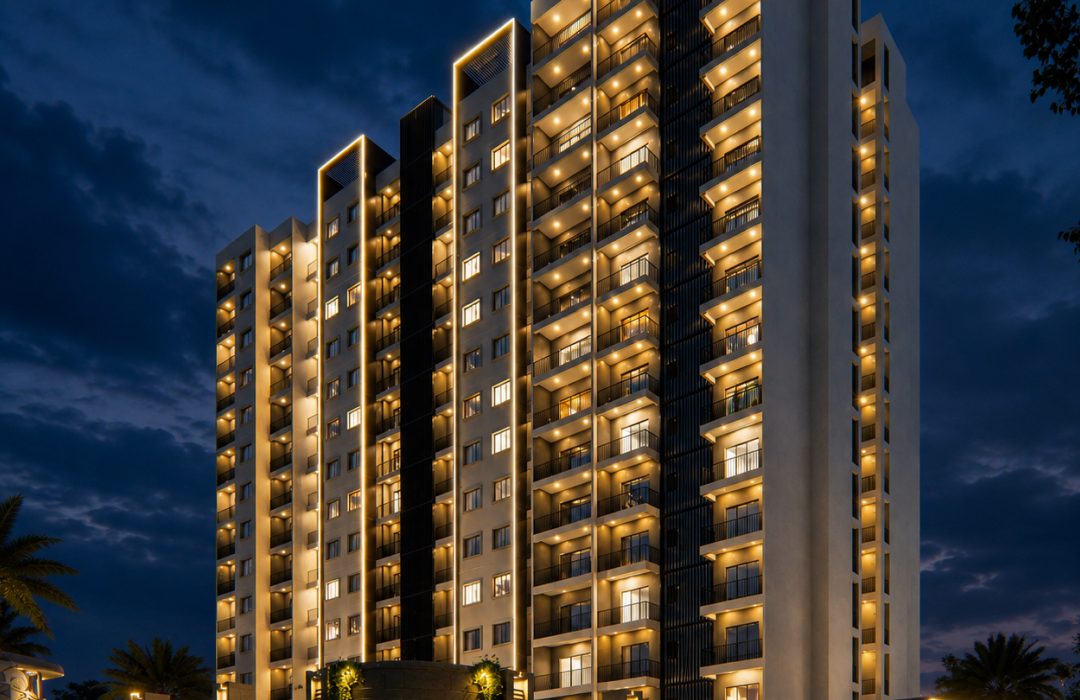
Onkar Greens Ravet Annex tower lit up at night

Under-Construction vs Ready-to-Move Flats: Which Should You Buy?

Most home buyers in West Pune end up choosing between an under-construction flat and a ready-to-move one. Neither is always better. The right choice depends on when you need to move, how you will pay, and how much uncertainty you are comfortable with. Here is a side-by-side look.

Quick comparison

FactorUnder-constructionReady-to-move
Move-inLater – on the possession dateImmediately or soon
PaymentSpread over construction stagesMostly upfront
Choice of unitWider choice of floor and viewLimited to unsold units
What you can inspectPlans, sample flat, site progressThe actual flat
Main riskDelay or changes during constructionFewer choices; older specifications
GSTApplicable on under-construction propertyNot applicable after the occupancy certificate

When an under-construction flat makes sense

  • You do not need to move for a few years and can keep paying rent meanwhile.
  • You prefer paying in stages linked to construction progress.
  • You want a newer building with a better choice of unit, floor and view.
  • The project is registered on MahaRERA and the developer has a delivery record you have checked.

When a ready-to-move flat makes sense

  • You need to move soon or want to stop paying rent and EMI together.
  • You want to see exactly what you are buying – finishes, light, ventilation and the neighbourhood as it is today.
  • You want to avoid construction-timeline risk entirely.

Paying rent and EMI at the same time

With an under-construction flat bought on a home loan, you may pay rent for your current home and pre-EMI or EMI on the loan until possession. Work this out month by month before booking, and keep a buffer for delays. Some lenders and developers offer different disbursement or payment plans; read the terms carefully.

Checks that apply to both

Questions to ask the developer

  • What is the possession date in the agreement, and what happens if it is missed?
  • How are construction-linked payments triggered and documented?
  • Can I visit the site to see progress, and how often are updates shared?

FAQs

Is GST payable on ready-to-move flats?

GST does not apply to the sale of a completed flat for which the occupancy certificate has been issued. It applies to under-construction property; ask the developer for the exact rate on your cost sheet.

Are under-construction flats cheaper?

Often the price is lower at earlier stages, but compare the total cost, including rent paid while you wait.

Read next: first-time home buyer guide for Ravet Annex.

General information only – check tax and loan details with your adviser and lender.

Looking at homes in Ravet NX? Onkar Greens by Auti Group offers 1, 2 & 3 BHK homes in Ravet NX (Ravet Annex), near Hinjewadi, Pune. Read the Onkar Greens FAQs or book a site visit from the home page.
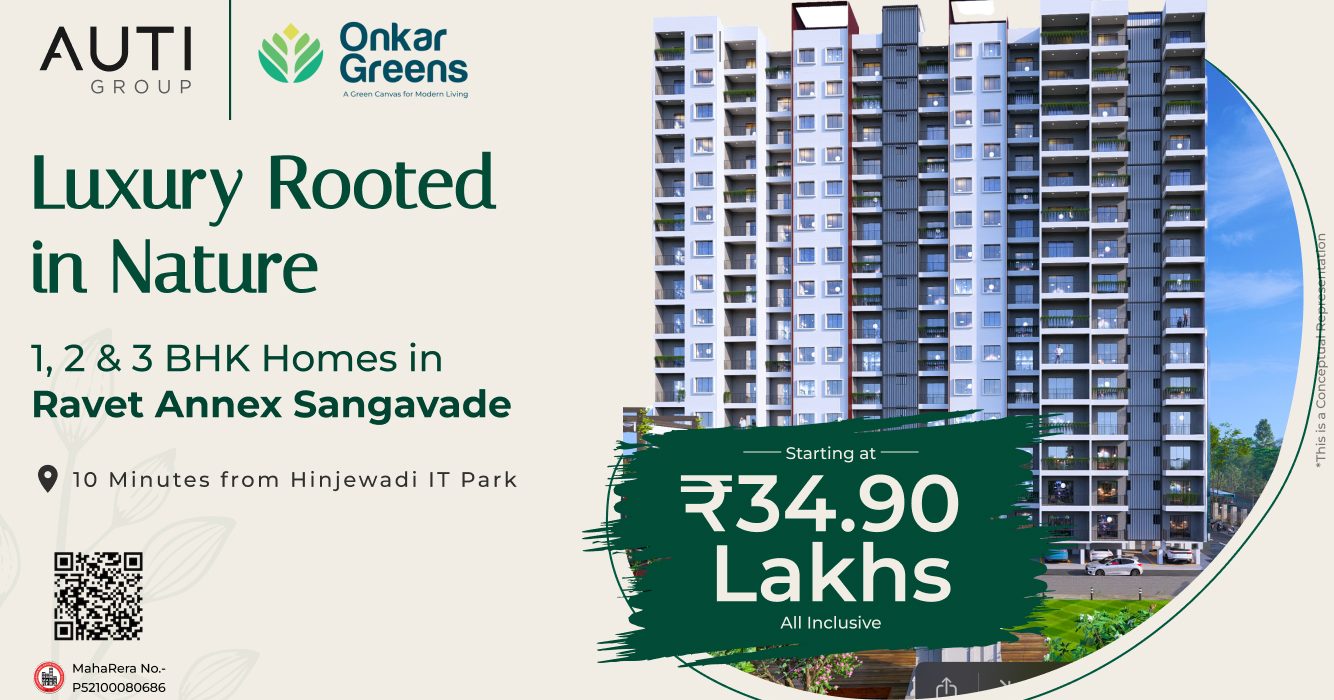
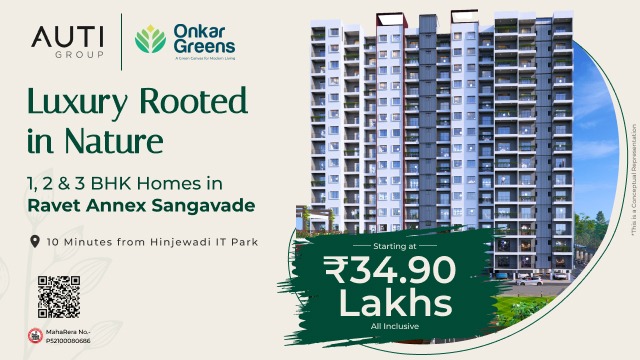
Onkar Greens Ravet Annex – Luxury Rooted in Nature website banner

Documents to Check Before Buying a Flat in Maharashtra

Booking a flat in an under-construction project means committing money long before you get the keys. A short, organised document check protects that money. This guide lists the documents buyers in Maharashtra usually ask for, what each one tells you and when to ask for it.

Before you pay the booking amount

  • MahaRERA registration certificate – confirms the project and phase are registered and shows the promoter and declared completion date. See how to check MahaRERA registration.
  • Sanctioned building plan and commencement certificate (CC) – issued by the planning authority; check that the building, floors and wing you are buying in are covered.
  • Title documents – the 7/12 extract or property card, and a title report or title certificate from an advocate showing who owns the land and any mortgages.
  • Development agreement or power of attorney – if the land owner and the developer are different, this shows the developer’s right to build and sell.
  • Non-agricultural (NA) permission or equivalent where applicable.
  • Cost sheet – a written break-up of the agreement value, taxes, stamp duty, registration and any other charges.

Before you sign the agreement for sale

  • Draft agreement for sale – read the carpet area, payment schedule, possession date, specifications, penalty and cancellation clauses. Compare with the MahaRERA record.
  • Allotment letter – should identify the exact unit, its carpet area and the price.
  • Payment receipts – keep a receipt for every payment, including the booking amount.
  • Bank approval – if you take a home loan, the lender’s legal check is a useful second opinion, but it does not replace your own.

At possession

  • Occupancy certificate (OC) – issued by the planning authority once the building is complete; ask for it before taking possession.
  • Possession letter and a joint inspection of the flat.
  • Society formation documents and details of maintenance charges and deposits.
  • Warranties and manuals for fittings and equipment.

A simple way to stay organised

StageAsk forCheck against
ShortlistingMahaRERA number, cost sheetMahaRERA website
BookingCC, title report, plansUnit, wing and floor
AgreementDraft agreement, allotment letterCarpet area, dates, payments
PossessionOC, possession letterInspection list

Common mistakes

  • Paying a large booking amount before seeing the agreement draft.
  • Relying on brochure areas instead of RERA carpet area – see carpet vs built-up vs saleable area.
  • Not keeping receipts and correspondence in one place.
  • Skipping a lawyer’s review to save a small fee on a large purchase.

FAQs

Is a bank-approved project automatically safe?

Bank approval means the lender has done its own checks; it is helpful, but you should still review the documents yourself.

Who should review the title?

An advocate experienced in property transactions in the area.

Can I ask for documents before booking?

Yes. A serious developer will share registration details, plans and a cost sheet before you commit.

New to buying? Start with our first-time home buyer guide.

This article is general information, not legal advice.

Looking at homes in Ravet NX? Onkar Greens by Auti Group offers 1, 2 & 3 BHK homes in Ravet NX (Ravet Annex), near Hinjewadi, Pune. Read the Onkar Greens FAQs or book a site visit from the home page.
Onkar Greens Ravet Annex – Luxury Rooted in Nature banner

How to Check a Housing Project on MahaRERA Before You Book

A MahaRERA number on a hoarding is only useful if you look it up. The public register on the MahaRERA website shows who the promoter is, what was registered and the completion date the promoter has declared. The check takes a few minutes and is the first one every buyer in Maharashtra should make before paying a booking amount.

Step 1: Get the number in writing

Ask the sales team for the project’s MahaRERA registration number. For a phased project, ask for the number of the phase or building you are buying in, because each phase can have its own registration. The number should also appear, with a QR code, on the project’s advertisements and website.

Step 2: Search the register

Go to the official MahaRERA website (maharera.maharashtra.gov.in) and use the search for registered projects. Enter the registration number, or search by project name and district. Open the project record and download the registration certificate.

Step 3: Read the record carefully

  • Promoter: the company that will sign your agreement for sale should match the registered promoter.
  • Location: village, survey number and taluka should match the site you visited.
  • Proposed completion date: compare it with the possession date in the sales material and the agreement.
  • Building details: number of buildings, floors and apartments registered.
  • Documents and updates: approvals, plans and the periodic progress updates the promoter files.
  • Complaints: check whether any are recorded against the project.

Step 4: Match it with your documents

When you receive the draft agreement for sale, check that the project name, registration number, promoter, carpet area and possession date match what you saw on MahaRERA. Small differences should be explained in writing before you sign.

Red flags

  • The number does not exist, or it belongs to a different project.
  • The promoter name or survey numbers differ from your documents.
  • Configurations or carpet areas in the brochure differ from the registration.
  • You are pressed to pay before you have had time to check.

What registration does not prove

Registration is not a certificate of construction quality or of clear title. Keep checking title documents, approvals and the agreement for sale, preferably with a lawyer, and visit the site yourself.

FAQs

Do all projects need MahaRERA registration?

Most new residential projects in Maharashtra must be registered before they are advertised or sold; small projects below the Act’s thresholds can be exempt. If a project says it is exempt, ask why.

Where is the QR code used?

Advertisements of registered projects carry a QR code that links to the project’s MahaRERA details, so you can scan it and compare.

Can I check progress after booking?

Yes. Promoters file periodic updates on the project’s MahaRERA page.

Related reading: Carpet area vs built-up vs saleable area and documents to check before buying a flat.

This article is general information, not legal advice.

Looking at homes in Ravet NX? Onkar Greens by Auti Group offers 1, 2 & 3 BHK homes in Ravet NX (Ravet Annex), near Hinjewadi, Pune. Read the Onkar Greens FAQs or book a site visit from the home page.

Onkar Greens Ravet Annex 1, 2 & 3 BHK flats offer banner

Carpet Area vs Built-Up Area vs Saleable Area: What You Are Actually Buying

Two flats advertised as “750 sq ft” can be very different homes. One may give you 750 sq ft of usable floor; the other may count walls, balconies and a share of the lobby. Knowing which area a number refers to is the most useful check before you compare prices in Ravet Annex or anywhere else in Pune.

Carpet area

Under the Real Estate (Regulation and Development) Act, 2016 (RERA), carpet area means the net usable floor area of an apartment, excluding the area covered by the external walls, areas under service shafts, the exclusive balcony or verandah area and the exclusive open terrace area, but including the area covered by the internal partition walls of the apartment. In simple terms: the floor inside your home that you can walk on and furnish, plus internal walls.

Built-up area

Built-up area is commonly understood as carpet area plus the thickness of the external walls, and often the balcony. It is not defined in the RERA Act, so different sellers calculate it differently. Treat any built-up figure as a marketing number unless the calculation is shown to you.

Saleable or super built-up area

Saleable (or super built-up) area adds a proportionate share of common areas such as lobbies, staircases, lift wells and the clubhouse to the built-up area. The ratio between saleable area and carpet area is often called the loading. Because RERA requires registered projects to sell on carpet area, read saleable figures as context, not as the basis of price.

A worked example

MeasureWhat it includesExample
Carpet area (RERA)Usable floor + internal walls600 sq ft
Exclusive balconyShown separately60 sq ft
Built-up (typical)Carpet + external walls (+ balcony)about 700 sq ft
Saleable / super built-upBuilt-up + share of common areasvaries by project

These figures are illustrative only. For a real project, rely on the carpet area stated in the agreement for sale and in the project’s MahaRERA registration.

How to use this when comparing flats

  • Ask every project for the RERA carpet area of the exact unit, with the balcony area shown separately.
  • Compare the price per sq ft of carpet area, not of saleable area.
  • Check that the carpet area in the brochure matches the agreement for sale and the MahaRERA documents.
  • Look at the floor plan dimensions: a well-planned 600 sq ft home can live larger than a badly planned 650 sq ft one.
  • Ask what the “total area” on a brochure includes, and get the answer in writing.

Why it matters for your budget

If two projects quote the same price per sq ft but one uses saleable area and the other carpet area, the carpet-area project may be offering noticeably more usable space for the money. Converting every quote to carpet area puts projects on the same footing and makes stamp duty, loan and interior budgets easier to plan, since furniture and flooring are bought for the floor you can actually use.

FAQs

Do builders have to quote carpet area?

For projects registered under RERA, the sale is based on carpet area as defined in the Act.

Is the balcony part of carpet area?

No. Exclusive balcony and verandah areas are excluded from carpet area and are usually shown separately.

Why do some brochures show a bigger number?

They may be showing built-up or saleable area. Ask for the RERA carpet area of the unit you are considering.

Related reading: How to check a project on MahaRERA and our first-time home buyer guide for Ravet Annex.

This article is general information, not legal advice.

Looking at homes in Ravet NX? Onkar Greens by Auti Group offers 1, 2 & 3 BHK homes in Ravet NX (Ravet Annex), near Hinjewadi, Pune. Read the Onkar Greens FAQs or book a site visit from the home page.